Nantong Yunju New Material Technology Co., Ltd.
is China Mramorni bočni ormarić Suppliers and Mramorni bočni ormarić Manufacturers, located in Haian, Jiangsu — the cradle of Jianghai Civilization. Established in 2021, the company specializes in the R&D, production, sales, and service of ultra-thin stone. As a modern innovative enterprise, it occupies a land area of 60 mu and is committed to delivering superior stone solutions to the market, supported by strong in-house R&D capabilities and advanced production techniques.
Tvrtka ima više patenata za izume i uporabne modele, a okupila je iskusan tim tehničkih stručnjaka i stručnjaka za upravljanje. Glavni tim uključuje 6 specijaliziranih tehničara za tanko kamenje, 50 kvalificiranih radnika, 5 stručnjaka za kontrolu kvalitete, 6 osoblja za upravljanje proizvodnjom i 5 prodajnih predstavnika, koji pružaju solidnu podršku ljudskih resursa za razvoj proizvoda, proizvodnju i osiguranje kvalitete od kraja do kraja.
Opremljeni s više od 30 kompleta specijaliziranih strojeva, uspostavili smo pojednostavljen i učinkovit proizvodni proces od sirovih blokova do gotovih proizvoda. Unutar nešto više od dvije godine rada, naš godišnji proizvodni kapacitet dosegnuo je približno 300.000 četvornih metara. Postali smo imenovani dobavljač kamena za više od 20 domaćih i međunarodnih proizvođača namještaja. Osim toga, uspostavili smo stabilna partnerstva s brojnim dizajnerskim institutima i tvrtkama za dekoraciju, isporučujući visokokvalitetne ultratanke kamene i mramorne kompozitne materijale za niz ključnih projekata.

Mramorni bočni ormarić Suppliers
-
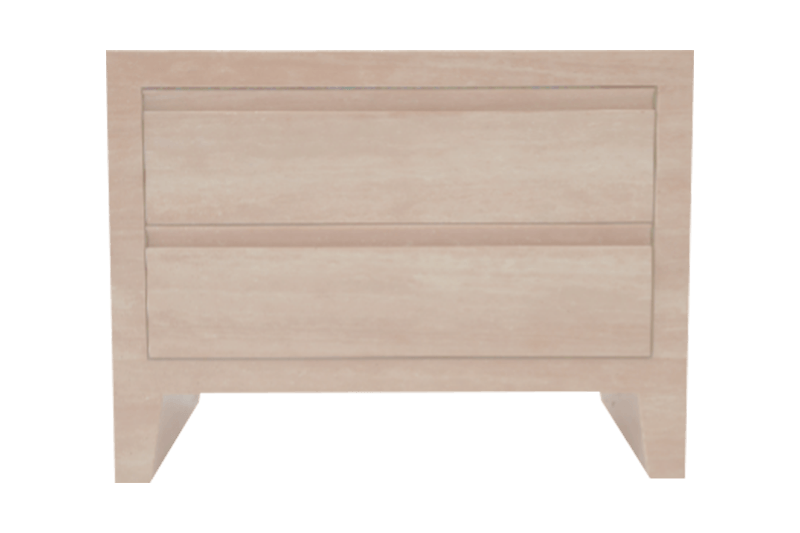 Svijetlosmeđi mramorni ormarić s ladicama
Značajke proizvoda Materijal: Izrađen od mramornih ploča i ...
-
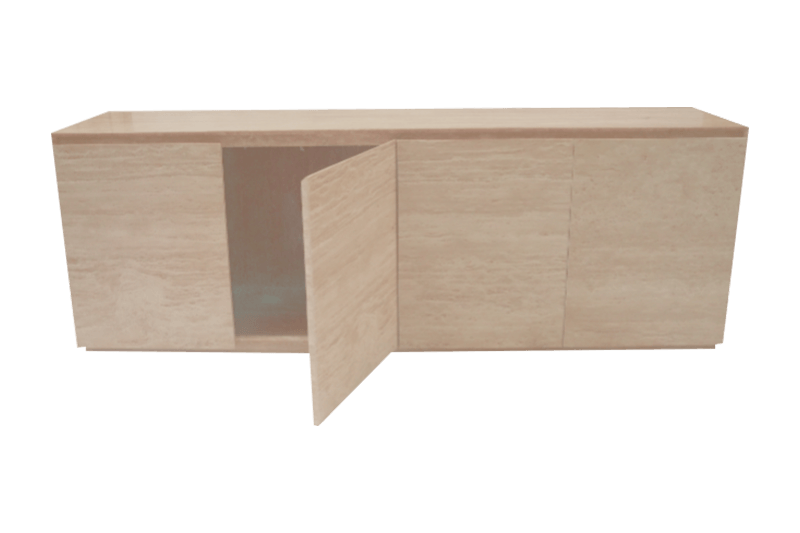 Svijetlosmeđi minimalistički niski mramorni ormarić
Materijal: Izrađen od mramornih ploča i kompozitnih ploča, mramor j...
-
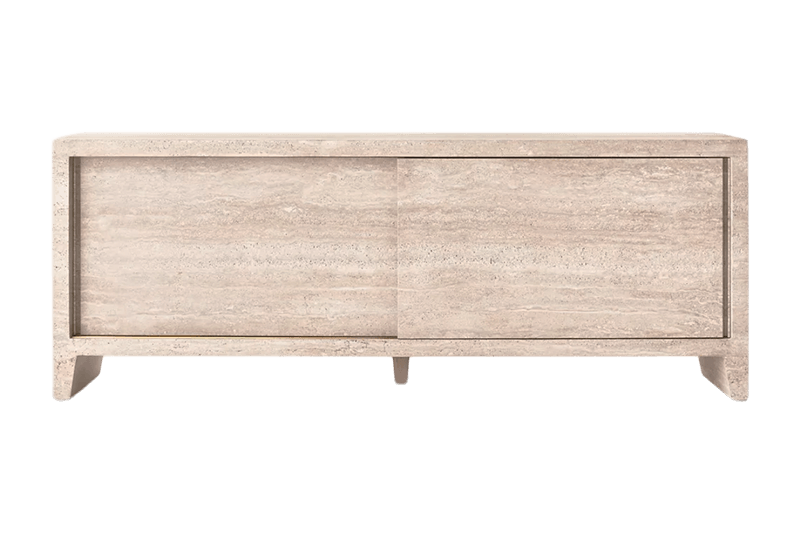 Svijetlo drvo - dugi mramorni ormar s teksturom
Materijali: Izrađeni od tankih mramornih ploča i kompozitnih ploča,...
-
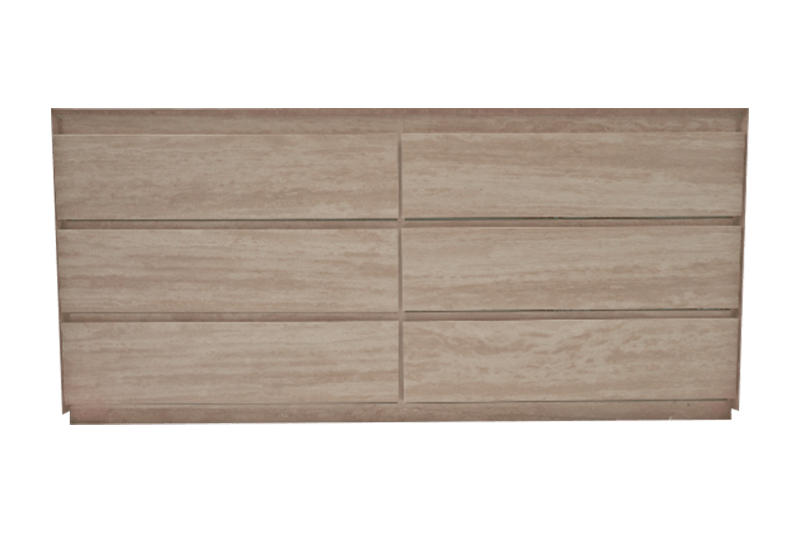 Ravni mramorni ormar od svijetlog drva
Materijal: Izrađen od mramornih ploča i kompozitnih ploča, mramor j...
-
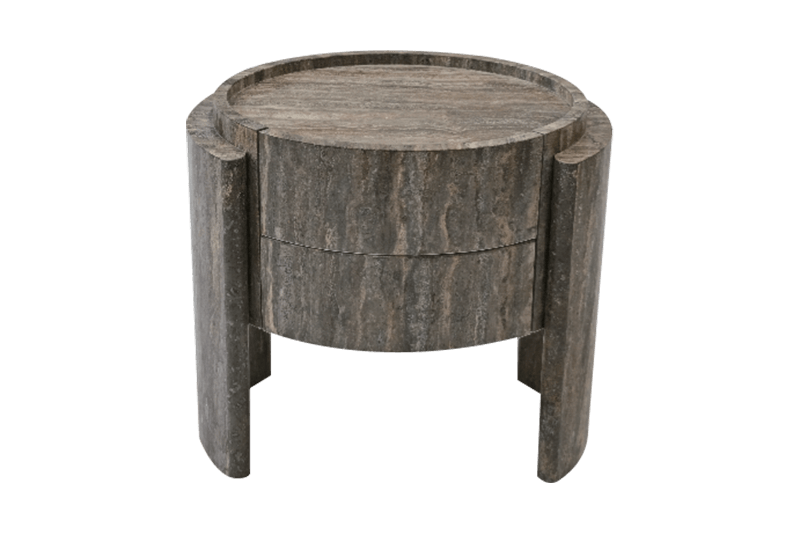 Okruglo drvo - pomoćni stol od mramora s teksturom
Materijali: Izrađen od mramornih ploča i kompozitnih ploča, mramor ...
Marble side cabinets are a practical and aesthetically pleasing piece of furniture, often used in various home settings, including living rooms, dining rooms, and bedrooms. They are often decorated with exquisite marble panels, combined with elegant wood or metal frames, creating a unique and luxurious feel. The natural texture and color of marble make each side cabinet a unique work of art, adding a touch of elegance and refinement to any interior.
Marble side cabinets are not only visually appealing but also exceptionally sturdy and durable. Marble's hardness and wear resistance allow it to withstand the wear and tear of daily use and are easy to clean and maintain. Its ample storage space is perfect for everyday items such as books, tableware, and decorative items, helping to keep a home tidy and organized.
From modern minimalist to classic vintage design, marble side cabinets blend seamlessly into any interior style, becoming a focal point and enhancing the overall ambiance.
Poruka povratne informacije
Tvrtka
Nantong Yunju New Material Technology Co., Ltd.
Vijesti
-
Vaš kupac želi mramorni blagovaonski stol s trometarskom pločom, dva zakrivljena postolja i uzorkom žilica koji se podudara s knjigom koji se nastavlja preko površine. Konvencionalna ploča od 20 mm može isporučiti vrh, ali zakrivljeni rub trebao bi imati teški čelični okvir, a cijeli bi komad mogao biti pretežak ...
READ MORE -
Kada planirate renovirati predvorje hotela ili lansirati novu liniju kamenog namještaja, tvornica za obradu mramora koju odaberete postaje jednako važna kao i sam kamen. Tvornica sa slabom kontrolom procesa pretvorit će vrhunski prirodni mramor u napukle rubove, neusklađene uzorke žila i odgođene isporuke. Discip...
READ MORE -
Cijena mramorne zidne ploče za predvorje hotelskog lifta i brojka koja obično probija proračun nije kamen. To je težina. Jedan kvadratni metar Carrara ploče od 20 mm teži otprilike 54 kg. Prekrijte isti zid s mramornim furnirom od 3 mm koji je zalijepljen na aluminijsku saćastu jezgru i ploča ima težinu od blizu ...
READ MORE
Mramorni bočni ormarić Industry knowledge
Quality Control Protocols and Batch Consistency Management in Large-Scale Production of Marble Side Cabinets
Raw Quarry Block Selection and Spectrographic Color Classification
Ensuring visual and structural consistency across commercial orders of mramorni bočni ormarićs begins at the raw material extraction stage. Prirodni mramor nastaje metamorfnim geološkim procesima koji uvode varijacije u pozadinskom tonu, kristalizaciji kalcita i distribuciji mineralnih žila u različitim kamenolomima. When executing bulk orders, stone manufacturers avoid combining blocks from disparate extraction zones. Instead, procurement specialists select sequential raw blocks quarried from a single bench to maintain baseline geological chemistry. Napredni alati za spektrografsko skeniranje i kolorimetrijski senzori procjenjuju uzorke neobrađenog kamena, razvrstavajući blokove u uske kromatske trake prije nego što dođe do početnog rezanja.
To eliminate macro-variations across multi-unit commercial runs, processing facilities enforce strict block-matching protocols. Razvojni programeri materijala—kao što je Nantong Yunju New Material Technology Co., Ltd., koji radi iz svoje proizvodne lokacije u Haianu, Jiangsu—koristi softver za digitalno mapiranje kamena za indeksiranje svake izvađene ploče. By scanning and cataloging raw stone slices prior to composite lamination, production teams organize inventory into matching production lots. This ensures that every individual marble side cabinet within a batch receives stone panels originating from the same geological strata.
Sequential Mechanical Slicing and Book-Matching Lamination
Konvencionalno rezanje kamena pomoću standardnih višestrukih pila daje debele ploče s različitim tolerancijama zareza oštrice, uzrokujući mikro pomake u debljini koji kompliciraju montažu velikog volumena namještaja. In modern furniture manufacturing, precision mechanical slicing reduces natural marble to thin veneers measuring between 1mm and 3mm. Ova točnost rezanja omogućuje da se deseci tankih listova uzastopno izvade iz jednog kamenog bloka, čuvajući kontinuirane uzorke žila u daleko većem učinku gotovih ploča nego što to dopušta tradicionalno rezanje ploča od 20 mm.
Ove uzastopne tanke kriške podvrgavaju se kompozitnoj laminaciji, gdje se pozadinski slojevi visoke čvrstoće poput aluminijskog saća ili mreže od staklenih vlakana spajaju na kamenu matricu pod kontroliranim pritiskom i temperaturom. Primjenom preciznog indeksiranja digitalnog slijeda—metode usavršene u odjelu za istraživanje i razvoj ultratankog kamena Nantong Yunju New Material Technology Co., Ltd.—proizvođači postižu točno podudaranje knjiga i poravnavanje zrna na susjednim prednjim stranama vrata i gornjim pločama svake marble side cabinet . Kada je više bočnih ormarića raspoređeno duž hotelskog hodnika ili izvršnog apartmana, kontinuirani tok vena predstavlja jedinstvenu, uravnoteženu vizualnu prezentaciju u cijelom prostoru instalacije.
| Faza proizvodnog procesa | Tradicionalno rezanje pune ploče | Ultra-Thin Composite Lamination |
|---|---|---|
| Iskorištenje ploče po volumenu bloka | Low yield due to thick gang-saw kerf waste | Visoki prinos; maximizes thin sheets per cubic meter |
| Dimensional Thickness Tolerance | Variations up to ±1.5mm across slab span | Tight tolerance within ±0.2mm via precision slicing |
| Raspon za usklađivanje žila preko jedinica | Limited to a few adjacent furniture units | Extends continuous grain matching across large production runs |
| Structural Weight Per Square Meter | High dead weight (approx. 45-60 kg/m²) | Lightweight profile (approx. 3-8 kg/m² with composite backing) |
| Okolina stvrdnjavanja smole | Sušenje na okolnom zraku; nedosljedna apsorpcija | Automated vacuum-pressure resin impregnation chambers |
Automated Vacuum Resin Impregnation and Color Stabilization
Natural stone porosity represents a significant challenge to surface consistency during mass production. Sirovi mramor sadrži mikroskopske pukotine, rupice i različite stope upijanja koje uzrokuju neravnomjerno sušenje površinskih brtvila, što rezultira nejednakim razinama sjaja u velikim proizvodnim serijama. Kako bi se standardizirala površinska gustoća, neobrađeni kameni furniri prolaze kroz automatizirane komore za impregnaciju smolom pod vakuumom prije konačnog poliranja površine. Termoreaktivne polimerne smole prodiru duboko u matricu kamena, ispunjavaju mikro-pukotine i ujedinjuju karakteristike upijanja na svakoj ploči.
Ovaj automatizirani proces impregnacije stabilizira zasićenost boja, sprječavajući različite serije mramornog bočnog ormarića da pokažu izmijenjene nijanse pod ambijentalnim osvjetljenjem prostorije. Furthermore, automated multi-head polishing lines monitor surface gloss levels using inline reflectometers, ensuring that every polished or honed panel achieves an identical sheen tolerance. Ova sustavna kemijska i mehanička obrada jamči da zamjenska vrata ili kasno dodane jedinice besprijekorno odgovaraju postojećem inventaru namještaja.
Precision CNC Edge Profiling and Structural Joinery Standardization
Visual consistency in furniture manufacturing depends equally on dimensional precision at seam joins and edge profiles. When assembling a marble side cabinet, mitered 45-degree edge joints must align perfectly to create the appearance of a solid stone block without gaps or uneven adhesive lines. Manual edge grinding introduces human error, leading to dimensional drifts that become apparent when multiple cabinets are lined up together. Modern production lines utilize 5-axis CNC diamond tooling and laser-guided bridge cutters to shape panel edges with sub-millimeter accuracy.
By standardizing the substrate joinery beneath the stone veneer, manufacturers ensure that hardware mounting points, hinge cutouts, and drawer slide brackets maintain identical spatial coordinates across thousands of units. Tehnički objekti, uključujući specijalizirana postrojenja za obradu u Nantong Yunju New Material Technology Co., Ltd., integriraju CNC rezanje kamena s automatiziranom laminacijom jezgre. Ova integracija omogućuje da se kompozitne ploče svakog mramornog bočnog ormarića uklope u standardne europske skrivene šarke i hardver za meko zatvaranje bez potrebe za ručnim postavljanjem ili podmetanjem na licu mjesta tijekom komercijalne instalacije.
| Parametar osiguranja kvalitete | Commercial Inspection Standard | Technical Verification Method |
|---|---|---|
| Color & Chromatic Variance | Delta E < 0,8 u serijama | Spektrofotometrijsko skeniranje površine |
| Konzistencija razine površinskog sjaja | ±2 jedinice sjaja (GU) unutar iste serije | Ispitivanje višekutnim inline reflektometrom |
| Tolerancije dimenzija | Duljina i širina: ±0,5 mm; Debljina: ±0,2 mm | Laser coordinate measurement sensors |
| Cjelovitost veze s podlogom | Nulta delaminacija tijekom ispitivanja toplinskog ciklusa | Ispitivanje vučnog smicanja (ASTM C297) |
| Otpornost na mrlje od tekućine | 24-hour non-permeation barrier rating | Ispitivanje kemijske otpornosti (EN 14617) |
Comprehensive Batch Inspection and Modular Packaging Protocols
The final phase of batch consistency management involves multi-stage quality control checks and protective packaging protocols. Before disassembly for transport, completed marble side cabinet units undergo dry-layout inspection in a light-controlled staging area. Quality assurance inspectors evaluate overall grain flow, color balance, and hardware alignment under standardized CIE daylight illumination, swapping panels if minor visual discrepancies occur across adjacent units.
Once approved, individual cabinet components receive protective polyethylene film coverings and edge corner guards to prevent surface scratching or chipping during transit. Modular foam packaging cradles the composite stone panels, protecting them against vibration and impact forces during overseas freight shipping. By combining raw material selection, precision lamination engineering, automated surface treatment, and rigorous final inspection, stone furniture manufacturers deliver large-scale commercial orders of marble side cabinets that fulfill exact architectural specifications and visual standards.
FAQ
Q: How do manufacturers manage weight limits when installing a marble side cabinet as a wall-mounted or floating unit?
A: Wall-mounted stone furniture traditionally faces strict weight limitations due to the extreme mass of heavy stone slabs. By utilizing ultra-thin stone composite panels, panel weight is reduced by up to 80 percent without sacrificing the authentic mineral texture. This allows a marble side cabinet to be safely mounted to standard wall studs using concealed cleat systems without risking structural pull-out.
Q: What prevents liquid stains and coffee rings from penetrating the top surface of a marble side cabinet?
A: Because raw marble is naturally porous, surface protection begins during composite processing. Factory vacuum-pressure resin impregnation, such as the surface stabilization methods developed by Nantong Yunju New Material Technology Co., Ltd., seals micro-fissures deep within the stone matrix. U kombinaciji s profesionalnim površinskim brtvilima, ovaj tretman stvara zaštitnu barijeru protiv rutinskog izlijevanja tekućine, tragova ulja i prstenova od pića.
Q: How is structural stability maintained across the mitered corners and edges of a lightweight marble side cabinet?
A: Edge stability relies on high-precision CNC joinery and composite core reinforcement. Ultra-thin stone veneers are cut at precise 45-degree angles and wrapped seamlessly around structural backing materials like high-density fiberboard or aluminum honeycomb. The structural core absorbs external impact energy, keeping the mitered seams tightly bonded and preventing corner chipping over long-term domestic use.
Q: Can the surface of a marble side cabinet withstand thermal shock from hot cookware or warm electronic devices?
A: Yes, natural marble possesses inherent thermal inertia. When bonded to heat-resistant backing substrates, the ultra-thin stone veneer rapidly dissipates localized heat across its surface, preventing the blistering, warping, or discoloration that typically damages synthetic laminates, thermofoil covers, or lacquered timber finishes.
Q: What techniques ensure visual grain continuity when multiple marble side cabinets are placed side-by-side in a commercial project?
A: Visual consistency is achieved through sequential stone slicing and digital sequence mapping. Advanced R&D capabilities, such as those integrated within Nantong Yunju New Material Technology Co., Ltd.’s processing lines in Haian, extract thin stone sheets consecutively from the exact same quarried block. This enables precise book-matching and sequence-matching across adjacent door fronts, ensuring seamless veining flow across long cabinet runs.
Q: How do composite stone side cabinets perform in high-humidity environments like luxury master bathrooms or spa suites?
A: Unlike conventional MDF or solid timber cabinets that expand, warp, or peel when exposed to continuous ambient steam, a composite marble side cabinet remains dimensionally stable. The natural stone outer layer and sealed composite backing inhibit moisture absorption, preventing core swelling and joint failure in damp interior spaces.
Q: What routine cleaning protocol should be followed to preserve the original polish on a marble side cabinet?
A: Maintenance requires wiping the surface with a soft, damp microfiber cloth and a mild, pH-neutral cleaner specifically formulated for natural stone. Avoiding abrasive scouring sponges, bleach, and harsh acidic or alkaline sprays protects the factory-applied sealer and keeps the polished surface clear and smooth.
Yunju
kontakt
-
 56 Ronggang Road, Binhai New Area, Laoba Port, Hai'an City, Nantong City, Jiangsu Province
-
 [email protected]

Mobilni

Autorska prava ©Nantong Yunju New Material Technology Co., Ltd.Rights Reserved.
 Custom Mramorni bočni ormarić Manufacturers